
Research & Extension
Our lab conducts research and communicates research findings in ways that promote application of findings. The below descriptions of selected projects illustrate the types of questions we address. Also included is a list of other topics that we would like to pursue.
Our lab conducts research and communicates research findings in ways that promote application of findings. The below descriptions of selected projects illustrate the types of questions we address. Also included is a list of other topics that we would like to pursue.
Current Projects
|
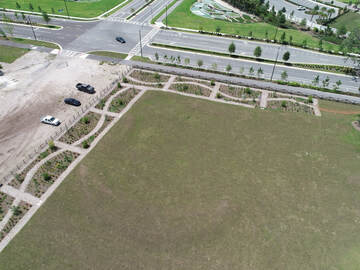
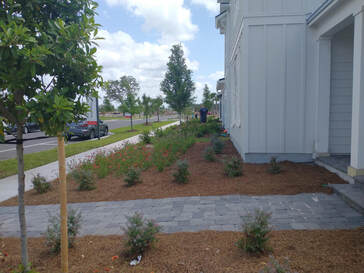
Ecological and environmental benefits of drought-tolerant native landscaping in new residential landscapes
This project is a private-academic-municipal-NGO collaboration among the University of Florida, the Sunbridge Stewardship District, Cherrylake, LifeSoils, the University of Central Florida, and The Nature Conservancy Florida Chapter. This project is using a manipulative experiment and real model homes to test soil remediation and irrigation strategies for establishing native plants in degraded development soils, and to quantify the benefits of no-turf, native plant-dominated landscaping on water saving, fertilizer and pesticide reduction, and food webs. |
|
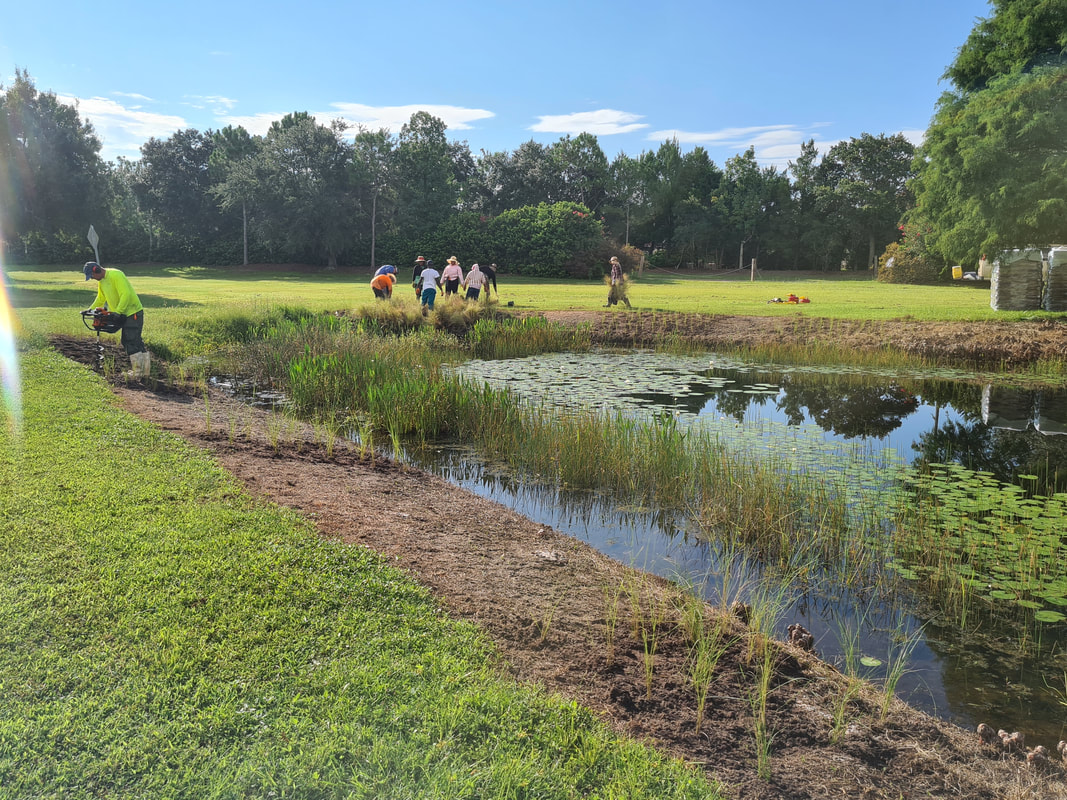
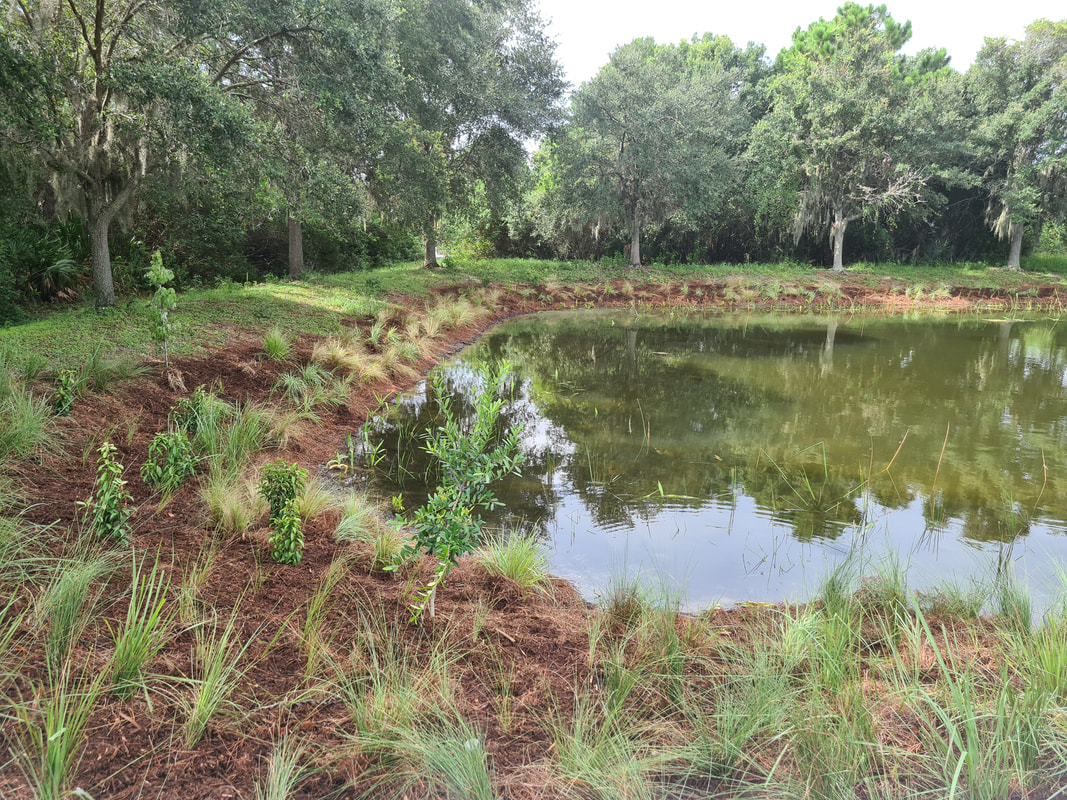
Integrating education and research activities to promote stormwater pond plantings as a BMP
This EPA-funded project will quantify the potential water quality benefits of stormwater pond plantings relative to conventional stormwater ponds having turfgrass banks. We will determine the degree to which plants decrease various forms of nitrogen and phosphorus, both of which runoff urban landscapes and degrade water quality. We will also identify educational strategies for promoting the adoption of BMPs by urban residents aimed at protecting water quality. |
|
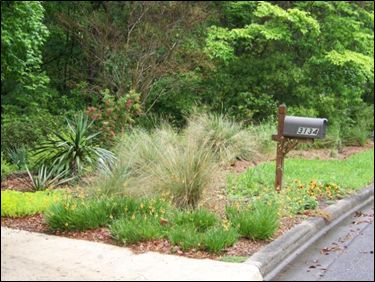
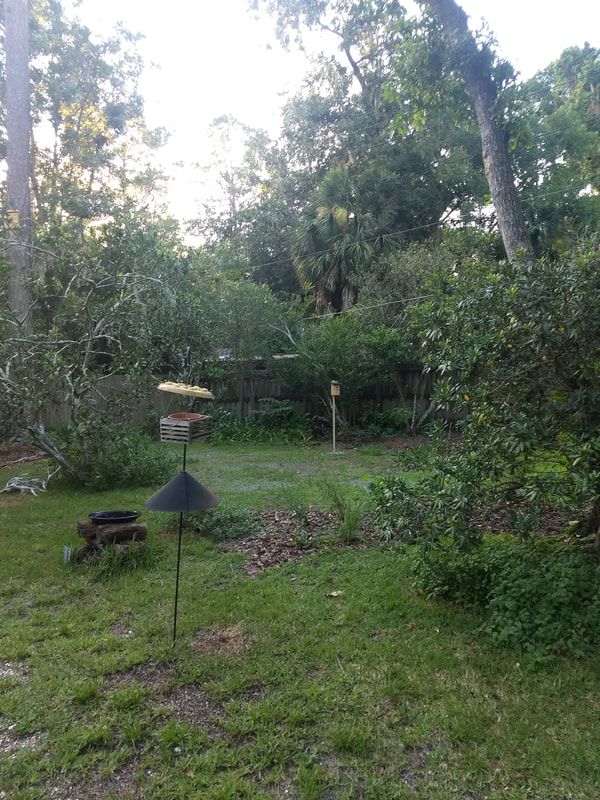
The effects of landscaping plant diversity, plant structure, and management intensity or landscaping costs and ecosystem services
There is much variation among yards in the amount of plants they contain, their spatial arrangement, and the intensity in which they are managed. This project will determine how the interaction among these factors affect landscaping costs and ecosystems services, including soil health, aesthetics, recreation value, comfort, and wildlife value. The knowledge gained from this study will guide the design of more sustainable landscaping plant communities that provide a diversity of ecosystem services valued by homeowners. |
|
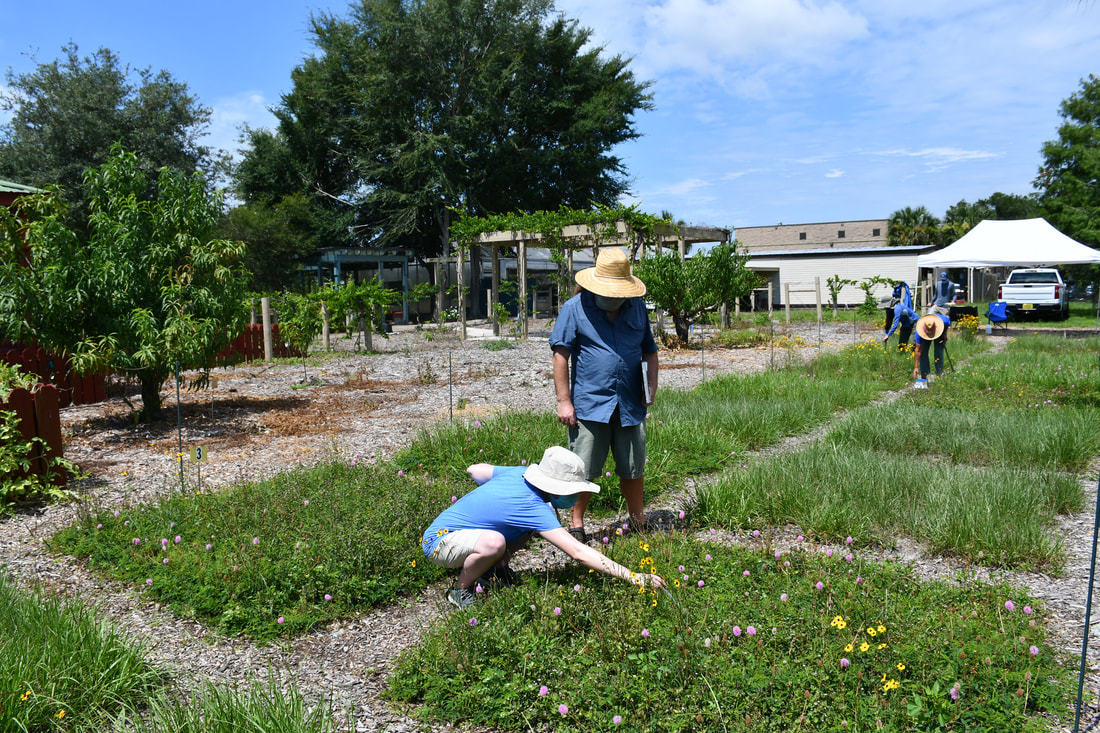
Ecological benefits/costs of lawn plant diversity
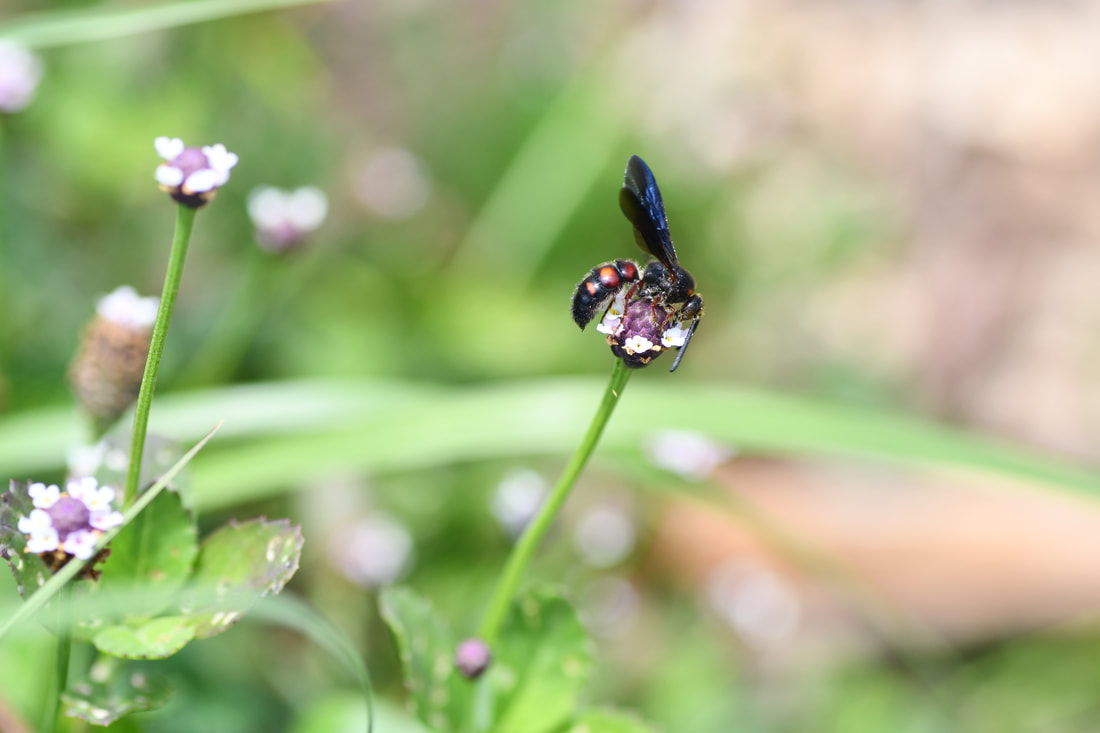
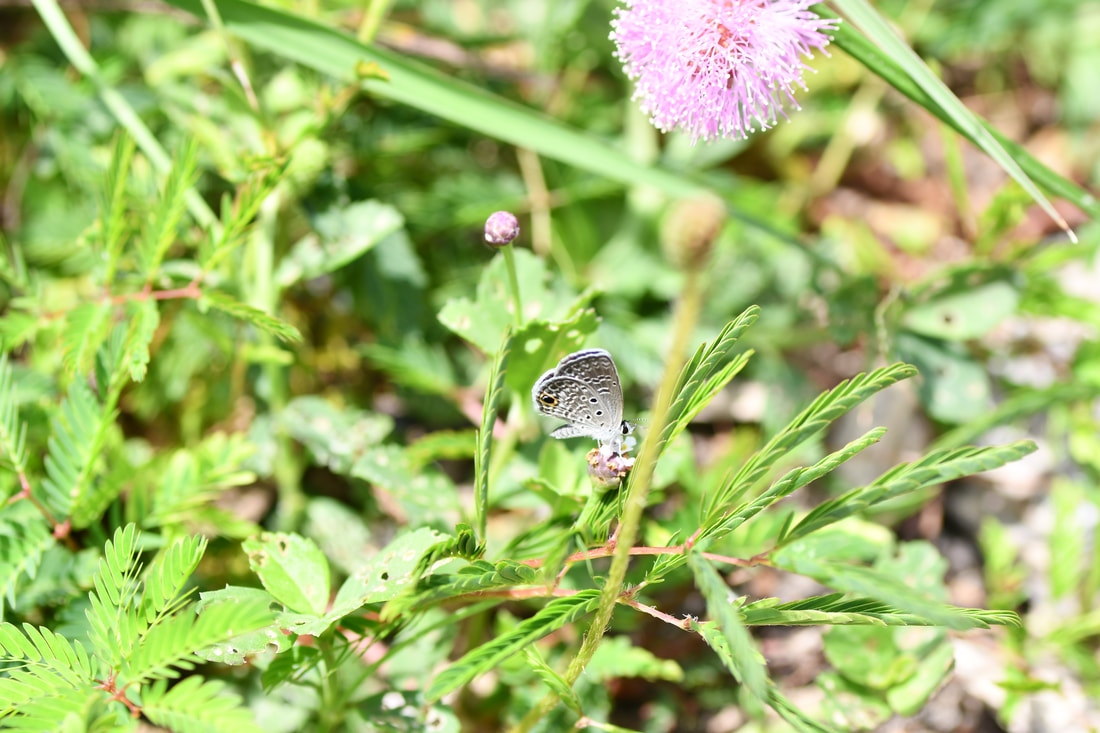
There is currently more lawn in the United States than any other irrigated crop. Miss-management and poor selection of turfgrass species leads to excessive irrigation and fertilizer usage, which can impact water quality and quantity. In addition, many lawns contain very few or even only a single plant species. This project is exploring native plants as an opportunity to reduce water and fertilizer usage in lawns. We are quantifying the effects of adding native plants to drought tolerant turf on lawn resilience, pollinators and arthropod communities, and aesthetic acceptability. Findings will guide the design of more sustainable and ecologically beneficial lawns. |
Past Projects
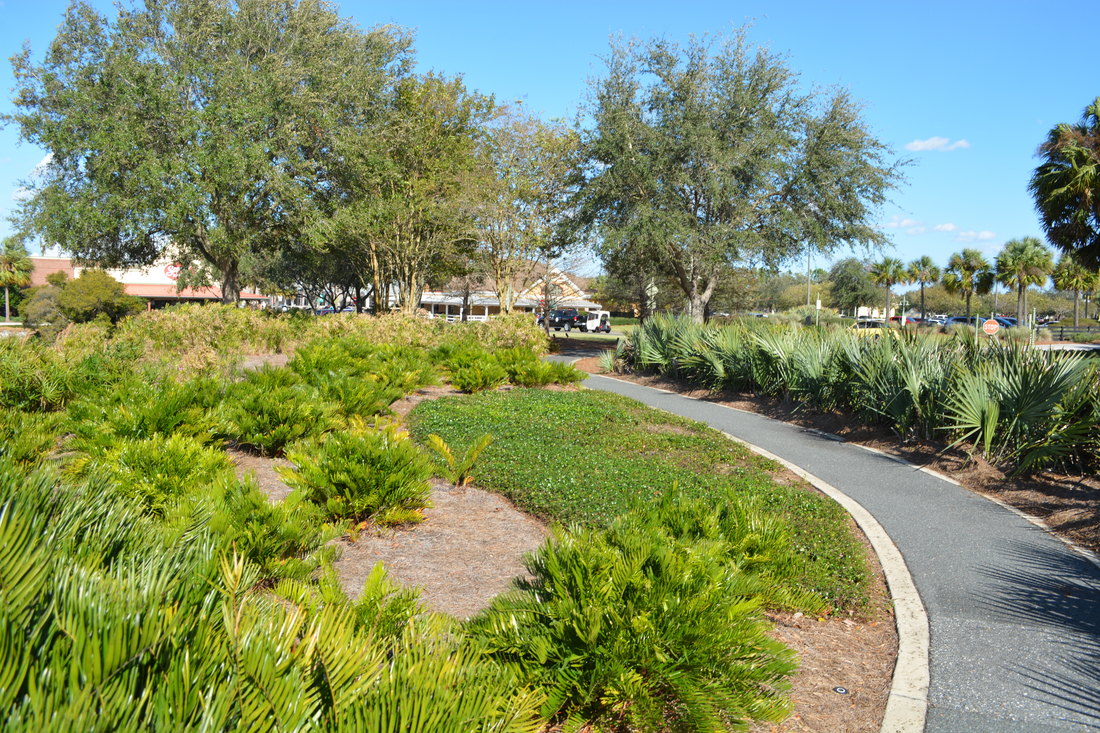
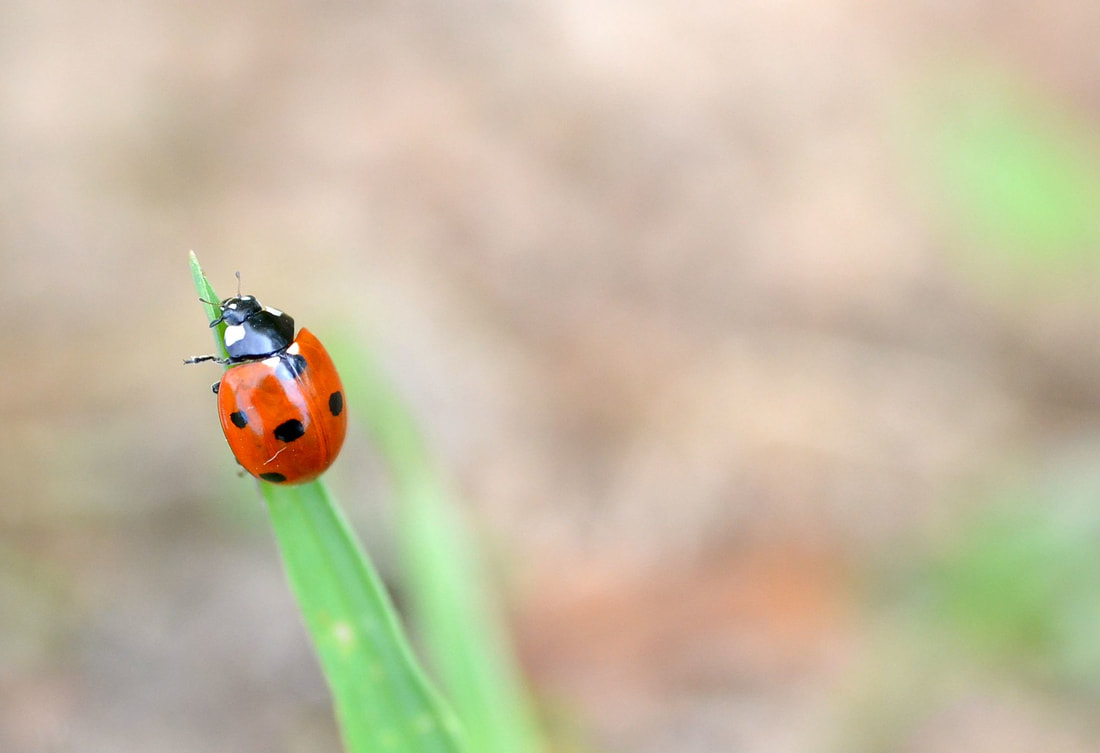
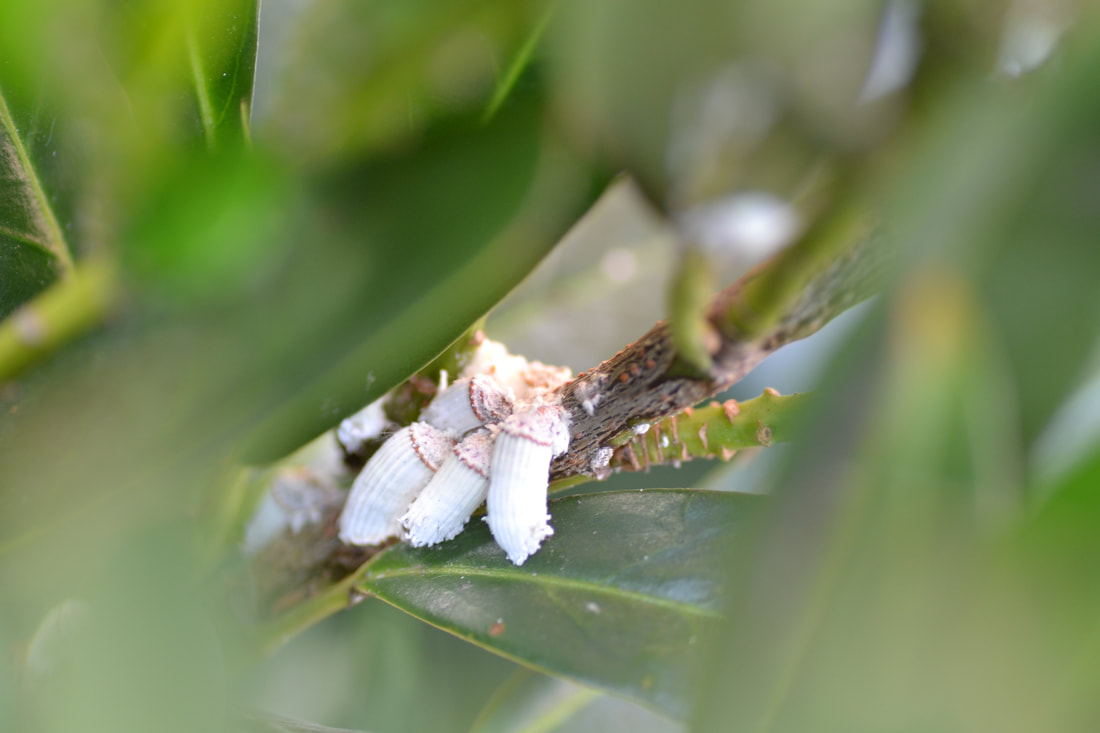
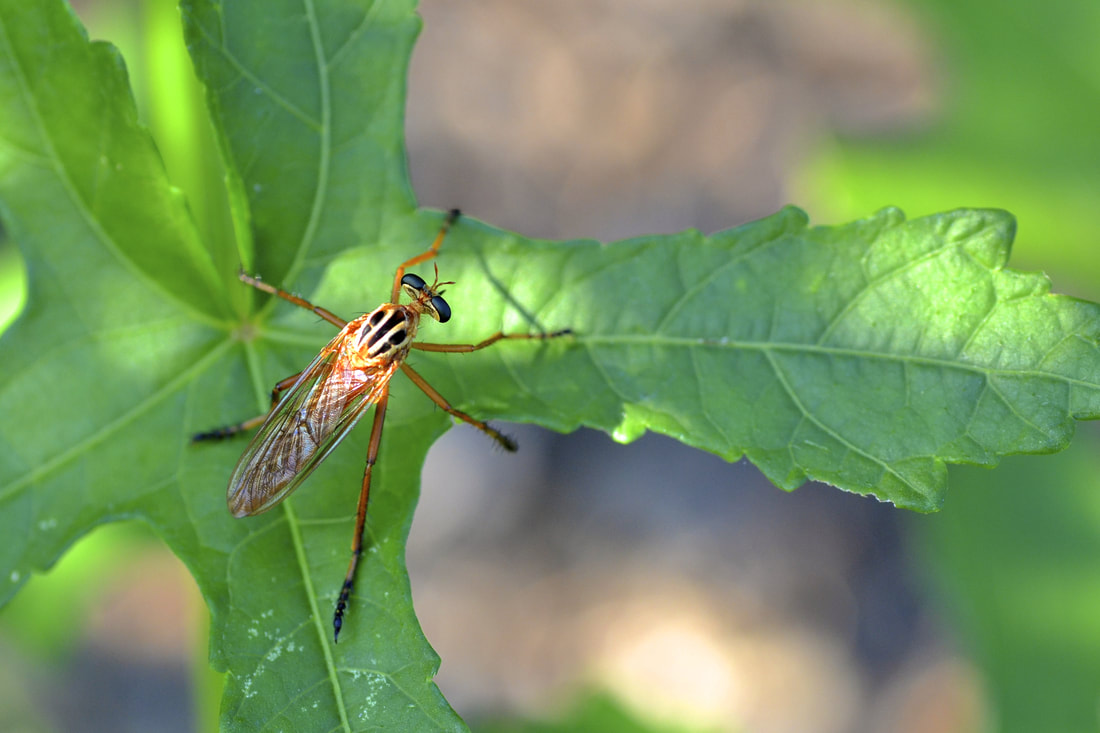
The Effects of Biotic Complexity in Ornamental Gardens on Herbivorous Arthropod Pests
|
|
Ornamental gardens are abundant throughout residential landscapes. These ecosystems can affect patterns of biodiversity and species movement. They also provide ecosystem services by enhancing aesthetics and pollinator habitat. However, being embedded within urbanizing landscapes makes them vulnerable to herbivorous arthropod pests.
This study quantified how alpha and beta plant diversity of gardens, as well as their structural complexity and ratio of native and nonnative plant species, affect the abundance of herbivorous arthropod pests and the degree to which these effects occur via top-down vs. bottom-up regulation. Findings will be used to design and place future gardens in ways that maximize their resistance to herbivorous pests, thus limiting the need for chemical pesticides. |
The Effects of Stormwater Ponds on Isolated Forest Wetland Plant Communities
|
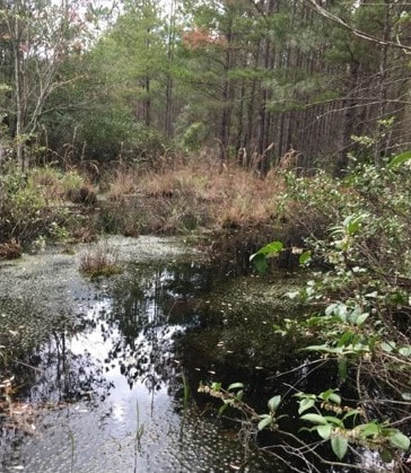
This project was a partnership with a land developer wishing to implement development practices that better protect wetlands. This development will also implement a compact design, thus conserving nearby forests and timber production.
This project entailed sampling wetlands that do and do not have stormwater ponds draining into them and comparing them to wetlands in nonurbanized areas. Plant communities and soil and water chemistry did not differ among urban wetlands regardless of whether or not that had stormwater ponds draining into them. This finding suggests stormwater ponds are not protecting aquatic ecosystems from the impacts of urban stormwater runoff. |
Environmental Benefits of Ornamental Plantings along Stormwater Pond Edges
|
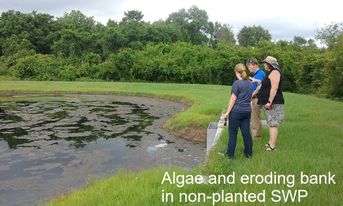
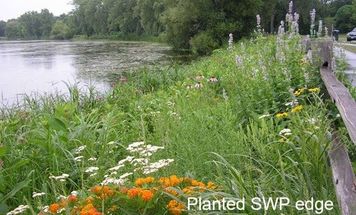
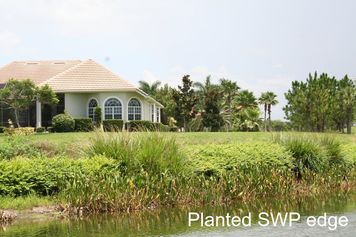
This project was an interdisciplinary effort funded by the Florida Nursery Growers and Landscaping Association. Stormwater (SWP) ponds are designed for flood control and to limit pollution runoff from urbanizing landscapes into downstream water bodies. They can also contribute to the aesthetics of residential landscapes. Planting the edges of SWPs may enhance SWP functionality by increasing bank stabilization and nutrient uptake, which in turn may limit the occurrence of unsightly algal blooms. However, homeowners are concerned that planting SWP edges will block their water view. There is also conflict among landscaping and pond management companies as to who is responsible for maintaining SWP plantings.
This project compared nutrient levels, algal cover, and degree of bank stabilization in planted and non-planted ponds to quantify the potential benefits of plants. We learned that plantings have the potential to decrease phosphorus levels. This information is being used to guide more extensive stormwater pond plantings in which we will determine the exact effects of planting abundance and species on water quality. |
Are Stormwater Ponds Invasion Vectors
|
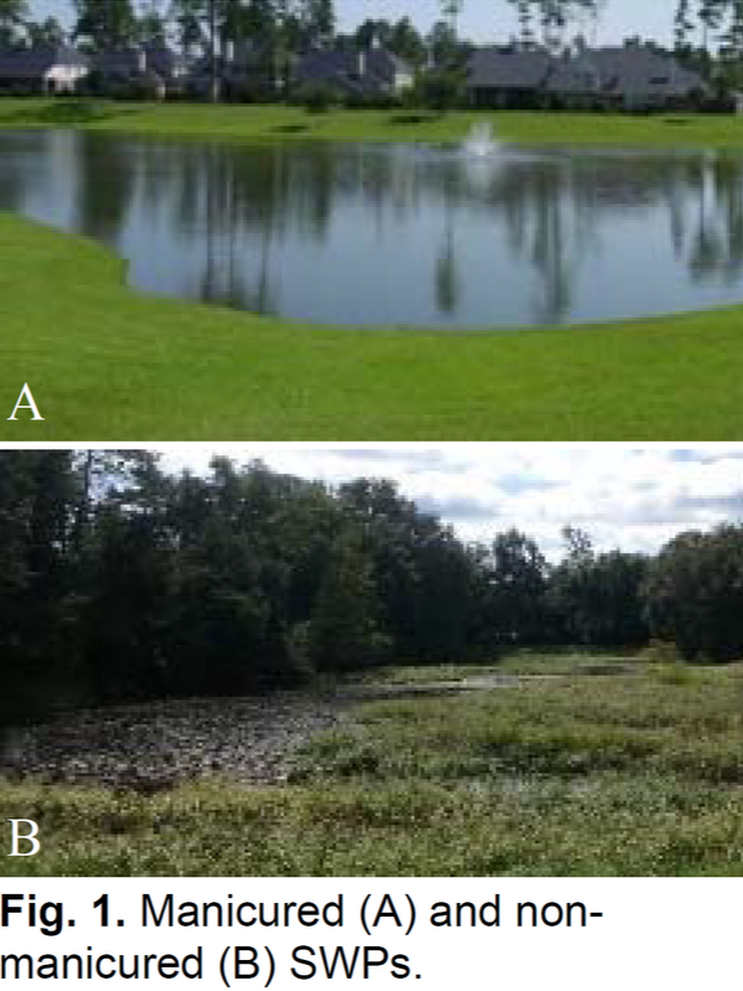
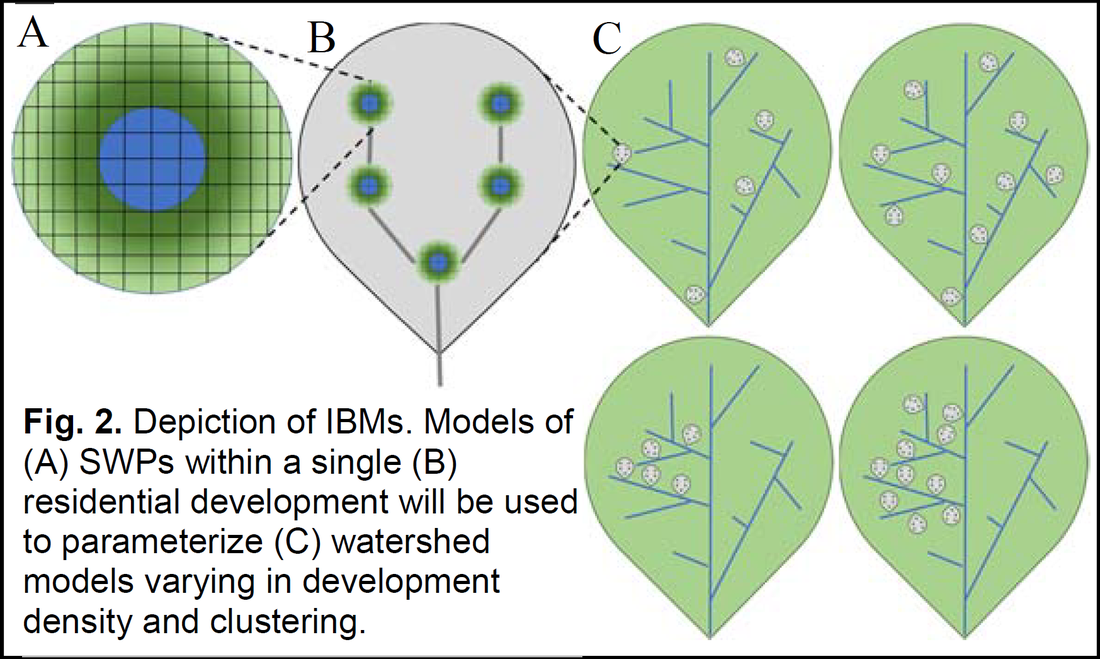
This project is funded by the UF/IFAS Agricultural Experiment Station. It brings together expertise in biological invasions, wetland ecology, stormwater engineering and management, and urban ecosystem ecology to determine the effects of a ubiquitous engineered ecosystem—stormwater ponds (SWPs)—on the movement of invasive plants. SWPs, being designed to reduce stormwater runoff and nutrient export from developed landscapes into natural water bodies, often exhibit dynamic hydrology and serve as nutrient sinks. Thus, SWPs may facilitate the spread of invasive plants well-adapted for dynamic, nutrient-rich environments.
From this project we learned that stormwater ponds provide habitat for a diversity of invasive plants. Despite this species diversity, these plant invaders exhibit similar traits, mainly tolerance of acidic soils and being introduced through horticultural activities. We also learned that management intensity of stormwater ponds affects invader traits with invaders indicative of early successional communities being present in highly manicured stormwater ponds. |
Other Topics of Interests
- The contribution of engineered and designer ecosystems to biological invasions and species movement
- Quantifying drivers of spatial heterogeneity in biodiversity-ecosystem service/functioning relationships in residential landscapes
- Large-scale effects of development patterns on habitat connectivity